Description
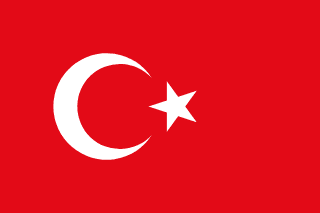
Turkey is a transcontinental country located mainly on the Anatolian Peninsula in Western Asia, with a smaller portion on the Balkan Peninsula in Southeast Europe. It has a rich cultural heritage and a diverse economy, making it an attractive destination for expatriates seeking employment and a new lifestyle.
Weather in 4 seasons
{"temp_low_c":10,"temp_high_c":20}, {"temp_low_c":20,"temp_high_c":35}, {"temp_low_c":10,"temp_high_c":25}, {"temp_low_c":0,"temp_high_c":10}
Spring: n/a to n/a C
Summer: n/a to n/a C
Autumn: n/a to n/a C
Winter: n/a to n/a C
Job market
Turkey's job market is diverse, with opportunities in sectors such as tourism, manufacturing, IT, and finance. However, competition can be high, particularly in larger cities.
Most looked-for job positions
Software Developer, Project Manager, Sales Executive, Marketing Specialist, Civil Engineer
Average wages
5000
Structured wage range: 3000 to 8000
Living conditions
Living conditions vary widely between urban and rural areas. Major cities like Istanbul and Ankara offer modern amenities, while rural areas may have limited access to services. The cost of living is generally lower than in Western Europe.
Education system
Turkey has a structured education system with compulsory education for children aged 6 to 14. The country has numerous universities, some of which are recognized internationally.
Health care
Turkey has a mixed healthcare system with both public and private options. The quality of healthcare can vary, but major cities have well-equipped hospitals and clinics.
Visa required?
Yes
Visas
To work in Turkey, expatriates typically need a work visa, which requires a job offer from a Turkish employer and relevant documentation.