
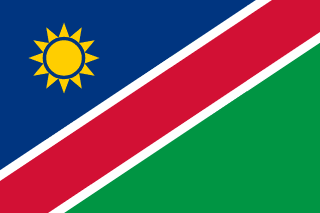
Description
Namibia is a country in southwestern Africa known for its diverse wildlife, stunning landscapes, and rich cultural heritage. It offers a unique blend of urban and rural living, with opportunities in various sectors such as tourism, mining, and agriculture.
Weather in 4 seasons
Namibia experiences a semi-arid climate with distinct seasons. The rainy season typically occurs from November to April, while the dry season spans from May to October.
Spring: 10 to 25 C
Summer: 20 to 35 C
Autumn: 15 to 30 C
Winter: 5 to 20 C
Job market
The job market in Namibia is competitive, with opportunities primarily in sectors like mining, tourism, agriculture, and public services. Unemployment rates can be high, but skilled professionals may find better prospects.
Most looked-for job positions
Mining Engineer, Tourism Manager, Agricultural Scientist, Healthcare Professional, IT Specialist
Average wages
1500
Structured wage range: 800 to 2500
Living conditions
Living conditions vary significantly between urban and rural areas. Urban centers like Windhoek offer modern amenities, while rural areas may lack infrastructure. The cost of living is generally lower than in many Western countries.
Education system
Namibia has a mixed education system with both public and private schools. Education is compulsory for children aged 6 to 16, and the literacy rate is improving, though challenges remain in rural areas.
Health care
Healthcare services in Namibia are a mix of public and private providers. While urban areas have better access to healthcare facilities, rural areas may face challenges. Health insurance is recommended for expatriates.
Visa required?
Yes
Visas
To work in Namibia, foreign nationals typically need a work visa. Requirements include a job offer, proof of qualifications, and a police clearance certificate. The process can take several weeks.