
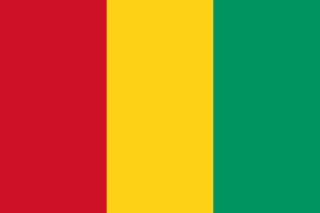
Description
Guinea is a West African country known for its rich natural resources, diverse cultures, and vibrant landscapes. The economy is primarily based on agriculture and mining, particularly bauxite. The country is working towards improving infrastructure and attracting foreign investment.
Weather in 4 seasons
Guinea has a tropical climate with a wet season and a dry season. The wet season typically lasts from May to October, while the dry season runs from November to April.
Spring: 20 to 30 C
Summer: 22 to 32 C
Autumn: 19 to 28 C
Winter: 18 to 27 C
Job market
The job market in Guinea is developing, with opportunities primarily in agriculture, mining, and services. However, unemployment rates can be high, and competition for jobs can be significant.
Most looked-for job positions
Mining Engineer, Agricultural Specialist, Healthcare Professional, Education Consultant, Project Manager
Average wages
1500
Structured wage range: 800 to 2500
Living conditions
Living conditions vary significantly between urban and rural areas. Urban centers like Conakry offer more amenities but can be crowded and have infrastructure challenges. Rural areas may lack basic services but provide a more tranquil lifestyle.
Education system
The education system in Guinea includes both public and private institutions. Education is compulsory until the age of 16, but access to quality education can be limited, especially in rural areas.
Health care
Healthcare services in Guinea are limited, with public facilities often underfunded. Private healthcare options are available in urban areas but can be expensive. Access to healthcare can be a challenge in rural regions.
Visa required?
Yes
Visas
To work in Guinea, foreign nationals typically need a work visa, which requires a job offer from a Guinean employer, proof of qualifications, and sometimes a medical examination.