Description
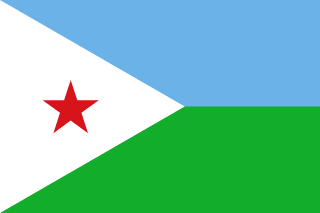
Djibouti is a small country located in the Horn of Africa, known for its strategic location along the Red Sea and the Gulf of Aden. It has a diverse culture influenced by various ethnic groups and a growing economy primarily driven by trade, logistics, and military presence.
Weather in 4 seasons
Djibouti has a hot desert climate with minimal seasonal variation. The weather is generally dry and hot throughout the year.
Spring: 20 to 30 C
Summer: 25 to 40 C
Autumn: 22 to 34 C
Winter: 18 to 30 C
Job market
The job market in Djibouti is relatively small but growing, with opportunities mainly in logistics, telecommunications, and public services. The presence of foreign military bases also creates job opportunities in security and support services.
Most looked-for job positions
Logistics Manager, Telecommunications Engineer, Construction Supervisor, Healthcare Professional, Education Administrator
Average wages
5000
Structured wage range: 2000 to 10000
Living conditions
Living conditions in Djibouti can vary. Urban areas have better infrastructure and amenities, while rural areas may lack basic services. Housing can be expensive, and the cost of living is generally moderate.
Education system
The education system in Djibouti includes both public and private schools, with a focus on French and Arabic languages. Higher education institutions are limited, but there are opportunities for vocational training.
Health care
Healthcare services in Djibouti are basic, with limited public facilities. Private healthcare is available but can be costly. Access to healthcare can be a challenge in rural areas.
Visa required?
Yes
Visas
To work in Djibouti, foreign nationals typically need a work visa, which requires a job offer from a local employer, a valid passport, and sometimes additional documentation such as medical exams and background checks.