
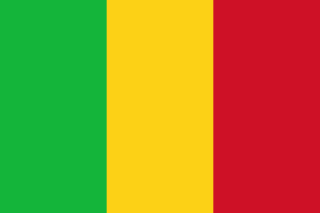
Description
Mali is a landlocked country in West Africa, known for its rich cultural heritage, diverse landscapes, and historical sites such as Timbuktu. The economy is primarily based on agriculture, with cotton and gold being significant exports. However, the country faces challenges such as political instability and underdeveloped infrastructure.
Weather in 4 seasons
Mali experiences a tropical climate with distinct wet and dry seasons. The dry season is characterized by hot temperatures, while the wet season brings cooler temperatures and rainfall.
Spring: 20 to 35 C
Summer: 25 to 40 C
Autumn: 15 to 30 C
Winter: 10 to 25 C
Job market
The job market in Mali is competitive, with limited opportunities in formal employment. Most jobs are found in agriculture, mining, and informal sectors. The economy is gradually improving, but challenges remain.
Most looked-for job positions
Agricultural Engineer, Mining Engineer, Healthcare Worker, Teacher, NGO Project Manager
Average wages
3000
Structured wage range: 1500 to 5000
Living conditions
Living conditions vary widely, with urban areas having better access to services than rural areas. Basic amenities can be lacking, and infrastructure is often underdeveloped. Expatriates may find housing in urban centers, but it can be expensive.
Education system
Mali's education system faces challenges such as limited resources and access, particularly in rural areas. Primary education is compulsory, but secondary and higher education opportunities are limited.
Health care
Healthcare services in Mali are underfunded and often inadequate. Access to quality healthcare can be a challenge, especially in rural areas. Expatriates are advised to have health insurance and access private healthcare facilities.
Visa required?
Yes
Visas
To work in Mali, expatriates need a work visa, which requires a job offer from a Malian employer, a valid passport, and other supporting documents. It's advisable to consult the Malian embassy for the latest requirements.